

APPLICATIONS
Five sectors, one engineering discipline.
YILTEX Armor systems serve military, law enforcement, security, institutional and special operations programmes. The sector changes the configuration — not the standard of engineering.
Military
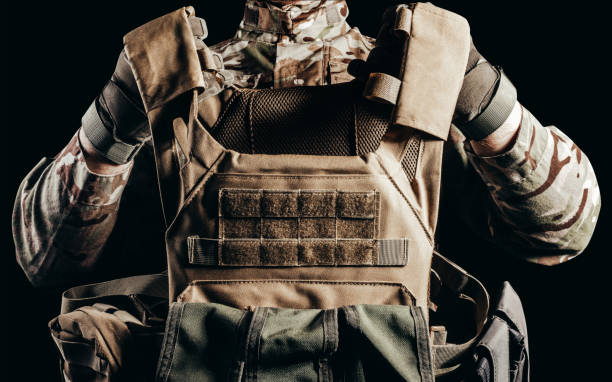
Defence force protection programmes built around carriers, plates and helmets specified as one system.
Military programmes typically combine plate carriers, hard armor and helmets with programme-specific configuration — sizing splits, colourways, attachment ecosystems and delivery documentation. We work from the requirement document, not from a fixed catalogue.
Police & Law Enforcement
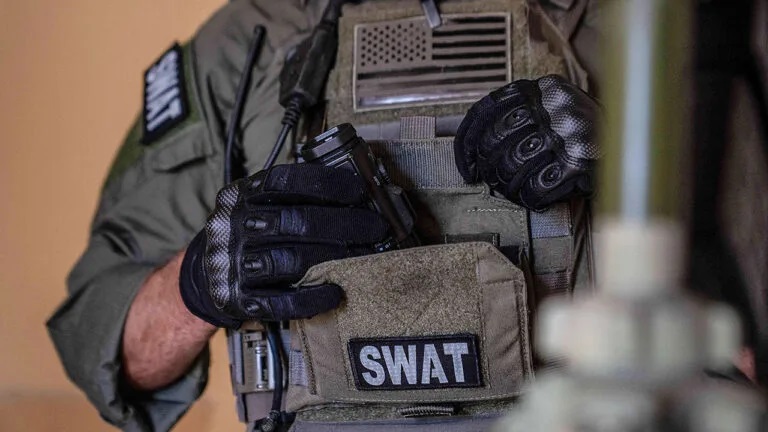
Duty and operational protection for law enforcement units — concealable and overt configurations.
Law enforcement requirements range from full-shift concealable protection to overt tactical systems. Soft armor panel geometry, carrier comfort and equipment integration drive these configurations.

Security
Private and institutional security organisations with sustained-wear protection needs.
Security programmes prioritise wearability: protection that stays comfortable and serviceable through long shifts. Configuration focuses on soft armor systems, carrier ergonomics and maintainability.

Government / Institutional Projects
Procurement-driven institutional programmes with formal specification, documentation and delivery requirements.
Institutional projects are documentation-heavy by nature: specifications, inspection records, delivery schedules and traceability. Our production and documentation systems are structured to answer procurement processes with records, not promises.
Special Operations
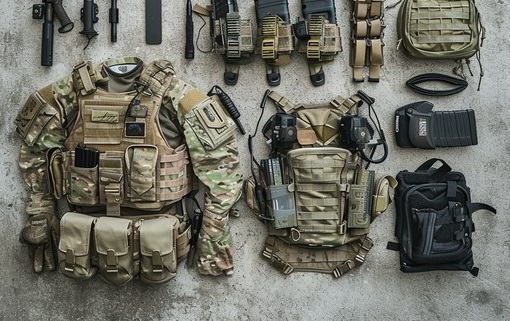
Mission-tailored configurations where weight, mobility and integration requirements drive the design.
Special mission requirements rarely fit standard products unchanged. Custom carrier geometry, plate profiles and accessory integration are developed through our custom development capability, inside the same quality system as standard families.
Start a sector conversation
Describe your operational context and we will propose the appropriate system configuration.